The Sama-Bajau are a group of people who have traditionally lived on and from the sea in Indonesia, Malaysia and the Philippines. Many have lived in houseboats or in villages on stilts over the water. They dive for fish and seafood on a single breath, with simple wooden goggles and spears – and can spend large parts of the day in the water.
The study that made the world listen
In 2018 Melissa Ilardo and colleagues at the University of Copenhagen published a study in the journal Cell. They measured the spleen with ultrasound in the Bajau and in their neighbours the Saluan, who live on land. The result: the Bajau had spleens about 50% larger.
Why does it matter? The spleen works as a reservoir of oxygen-rich red blood cells. When you hold your breath and dive, the spleen contracts and sends extra blood cells out into the blood – part of the diving reflex.
The researchers found that Bajau who didn't dive also had large spleens. That suggested the difference is genetic, not just a result of training. They pointed to a variant of the gene PDE10A, which is common among the Bajau and probably affects the size of the spleen. The study is regarded as one of the first examples of genetic adaptation to diving in humans.
For adults with some experience: one email every morning for 14 days – no time targets, never in water.
Moken – the children who see underwater
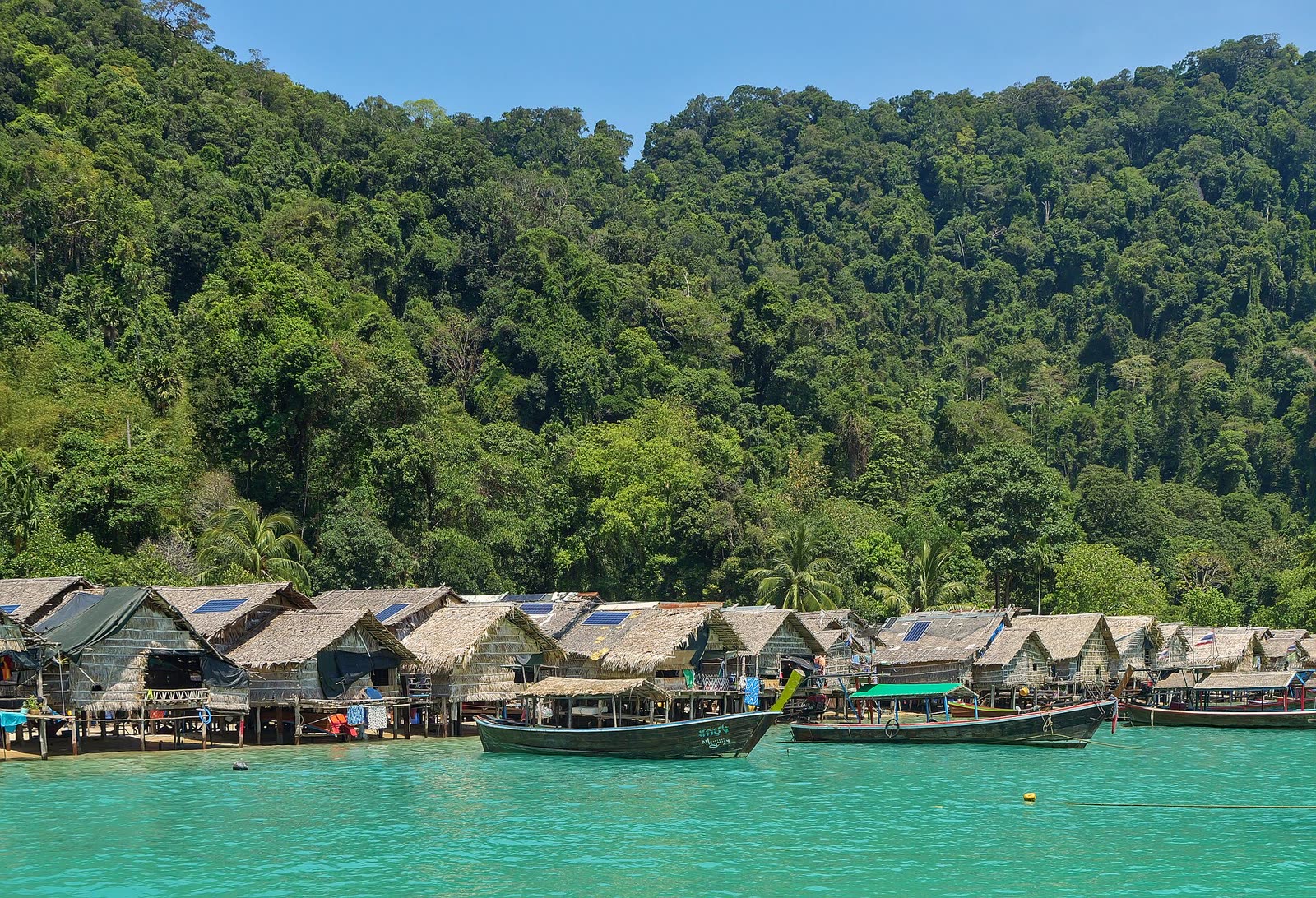
In the Andaman Sea off Thailand and Myanmar lives another sea people, the Moken. A Swedish study from 2003 showed that Moken children see much more sharply underwater than European children, because they are able to constrict their pupils. The nice thing is that European children could also learn it with training.
What does it mean for us?
You won't get a bigger spleen from practising breath holds in your living room. But the diving reflex, relaxation and tolerance for CO₂ can be trained – and that is why beginners often double their time in a short while.
Top image: Bajau Laut (see image credits). This article is general information and does not replace medical advice.